Columbia River Conditions
Current Columbia River Conditions for Fishing
Understanding Columbia River conditions is one of the most important factors in planning a successful fishing trip. River levels, water temperature, weather patterns, fish migration activity, and seasonal changes all influence where fish are located and how actively they are feeding.
At R&S Sportfishing, we closely monitor Columbia River conditions throughout the year to help anglers maximize their opportunities on the water. Our guided fishing trips operate throughout the Columbia River corridor from Astoria Buoy 10, Oregon, to Brewster, Washington, allowing us to adapt to changing conditions and target productive fishing areas throughout the season.
How Columbia River Conditions Affect Fishing
Fishing success on the Columbia River often depends on understanding how changing environmental factors influence fish behavior.
Key factors include:
River flow levels
Water temperature
Water clarity
Weather systems
Tides
Wind conditions
Rainfall and runoff
Seasonal fish migrations
These conditions can affect where salmon, steelhead, sturgeon, and walleye are located and how aggressively they are feeding.
Columbia River Water Levels
River flow levels play a major role in fishing conditions throughout the Columbia River system. Changes in water releases, rainfall, snowmelt, and seasonal runoff can impact fish movement and holding areas.
Higher water levels may:
Move fish into different travel routes
Change current patterns
Affect water clarity
Influence feeding behavior
Lower water levels may:
Concentrate fish in specific areas
Improve visibility
Create predictable holding zones
Our guides monitor river conditions daily to adjust fishing strategies based on current flow levels.
Water Temperature and Fish Activity
Water temperature is another critical factor affecting Columbia River fishing conditions.
Different species respond differently to changing temperatures:
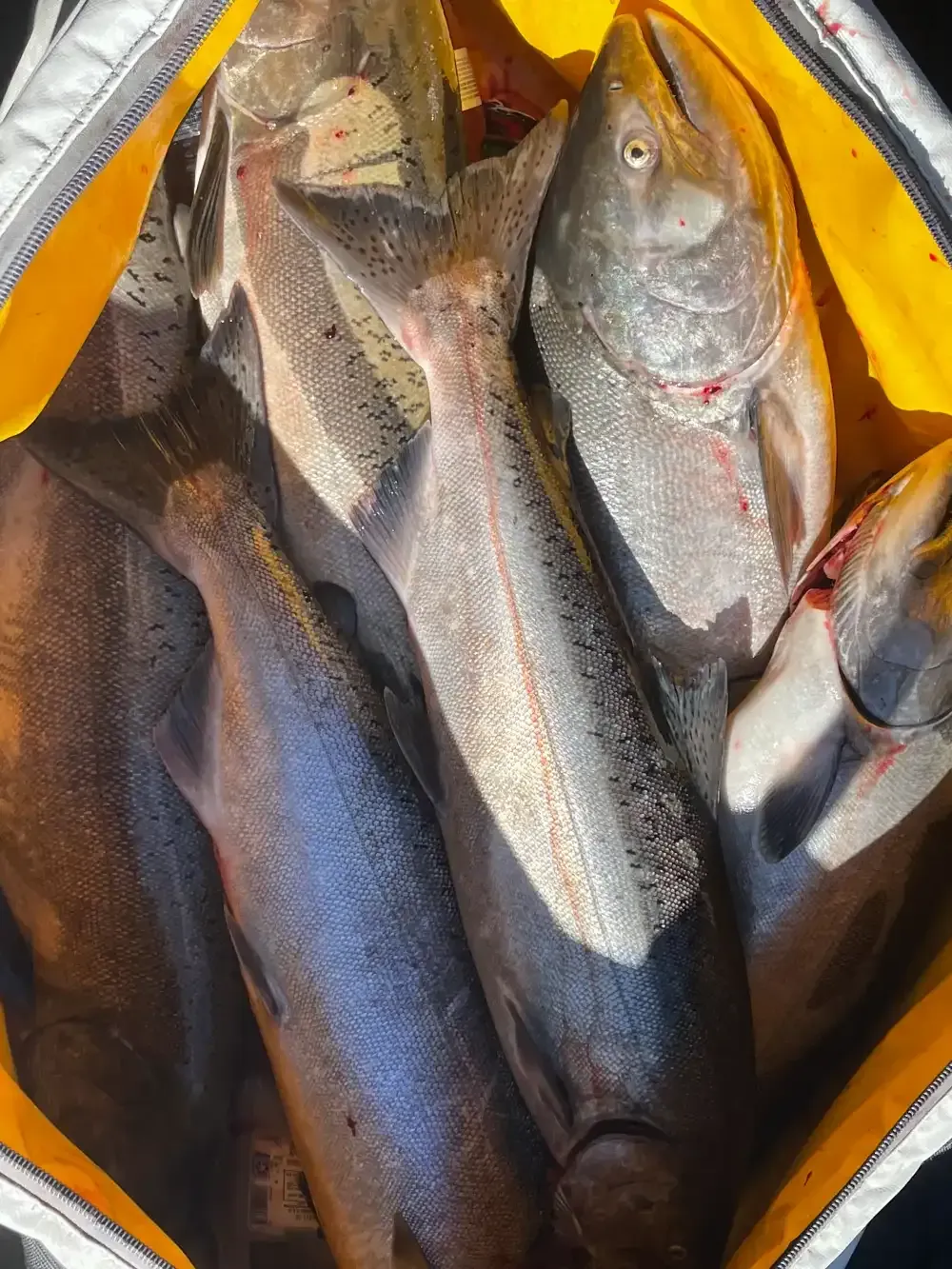
Salmon
Salmon migration timing and activity are often influenced by water temperatures throughout the river system.
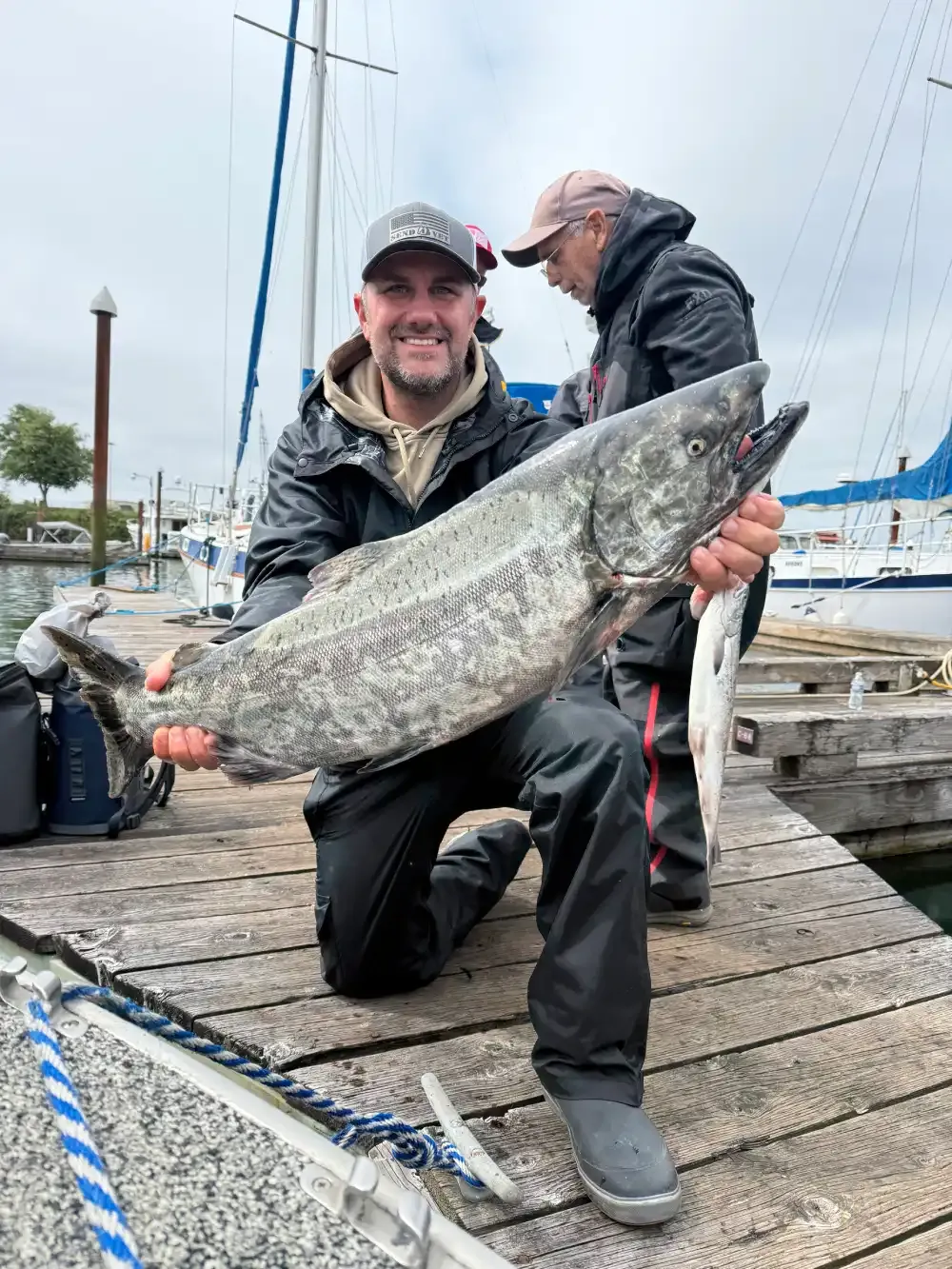
Steelhead
Steelhead can remain active across a wide range of conditions but may adjust their holding locations based on temperature changes.
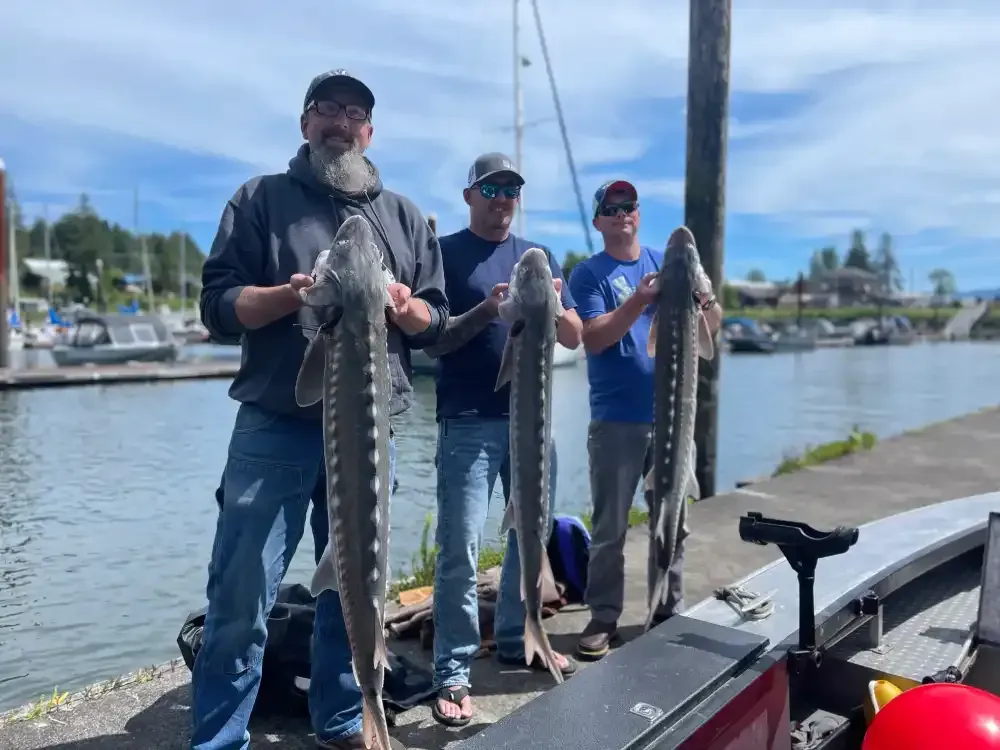
Sturgeon
Sturgeon feeding activity often changes as water temperatures fluctuate throughout the year.
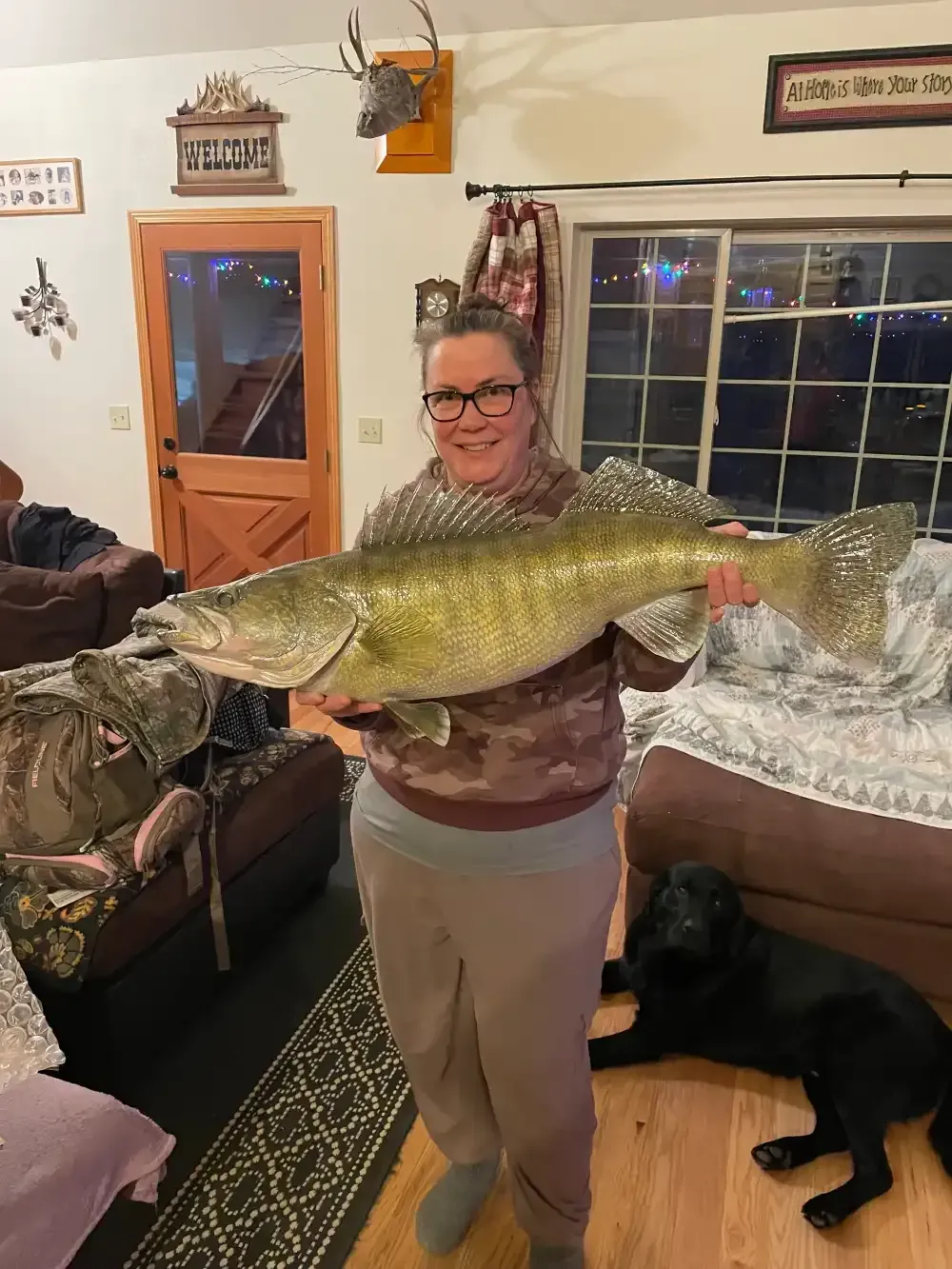
Walleye
Walleye movement and feeding patterns are heavily influenced by seasonal temperature changes and forage activity.
Understanding these patterns helps our guides position anglers where fishing opportunities are strongest.
Tides and Lower Columbia River Fishing
In portions of the lower Columbia River near Astoria, tidal influence can significantly impact fishing conditions. Tides affect:
Fish movement
Current speed
Salmon migration patterns
Baitfish activity
Sturgeon feeding behavior
Monitoring tidal movements is especially important when targeting fish in the lower river closer to the Pacific Ocean.
Weather Conditions on the Columbia River
Weather can influence fishing conditions throughout the year. Important weather factors include:
Wind
Rainfall
Cloud cover
Air temperature
Storm systems
While fish can often be caught in a wide range of weather conditions, certain patterns may improve feeding activity and increase opportunities for success.
Our guides monitor forecasts closely and adjust trip planning accordingly.
Columbia River Salmon Conditions
Salmon fishing conditions change throughout the year as different runs move through the Columbia River system. Current salmon conditions may be influenced by:
- Migration timing
- River flow levels
- Water temperatures
- Ocean conditions
- Seasonal regulations
Spring Chinook, Summer Chinook, Fall Chinook, and Coho salmon all respond differently to changing river conditions.
Steelhead Fishing Conditions
Steelhead are known for their adaptability, but river conditions still play a major role in fishing success. Key steelhead factors include:
- Water clarity
- River flow levels
- Seasonal migration timing
- Weather changes
Monitoring current steelhead conditions helps anglers target active fish more effectively.
Sturgeon Fishing Conditions
Sturgeon remain one of the most dependable fisheries on the Columbia River. However, conditions such as water temperature, tides, and current speed can influence feeding activity. Our guides monitor:
- Sturgeon movement
- Feeding patterns
- Current conditions
- Productive holding areas
This helps maximize opportunities for successful sturgeon fishing trips.
Walleye Fishing Conditions
Walleye fishing conditions often depend on:
- Water temperatures
- Baitfish activity
- Seasonal movement patterns
- River flow levels
By tracking these factors, our guides can target productive walleye locations throughout the Columbia River system.
Why Local Knowledge Matters
Columbia River conditions can change quickly. River levels, fish movement, weather patterns, and seasonal migrations often shift from week to week and sometimes day to day.
At R&S Sportfishing, we stay on the water and monitor current conditions regularly, allowing us to:
Follow active fish
Adjust fishing locations
Improve fishing opportunities
Provide accurate fishing updates
Adapt techniques
This local knowledge helps anglers spend more time fishing productive waters and less time searching for fish.
Fish the Columbia River with Confidence
Whether you're targeting salmon, steelhead, sturgeon, or walleye, understanding current Columbia River conditions can make a major difference in your fishing experience.
R&S Sportfishing provides professionally guided fishing trips backed by real-time knowledge of river conditions, seasonal fish movement, and productive fishing locations throughout the Columbia River.
lET'S cONNECT
Contact R&S Sportfishing for Current Fishing Conditions
If you're planning a fishing trip and want to know current Columbia River conditions, contact R&S Sportfishing today. We'll provide the latest information on river conditions, fish activity, seasonal opportunities, and the best options available for your next Columbia River fishing adventure.
Frequently Asked Questions
Why are Columbia River conditions important for fishing?
River conditions influence fish movement, feeding activity, migration timing, and overall fishing success throughout the Columbia River system.
What river conditions affect salmon fishing?
Water temperature, river flow levels, migration timing, weather patterns, and water clarity can all impact salmon fishing conditions.
Do tides affect Columbia River fishing?
Yes. Tides can significantly influence fishing conditions in the lower Columbia River, especially near Astoria and the river mouth.
How often do Columbia River conditions change?
Conditions can change daily depending on weather, river flows, seasonal fish movement, and other environmental factors.
Can R&S Sportfishing provide current fishing updates?
Yes. We monitor Columbia River conditions regularly and can provide updates on current fishing opportunities, fish activity, and seasonal conditions.